Why Regular Commercial Roof Inspections Matter
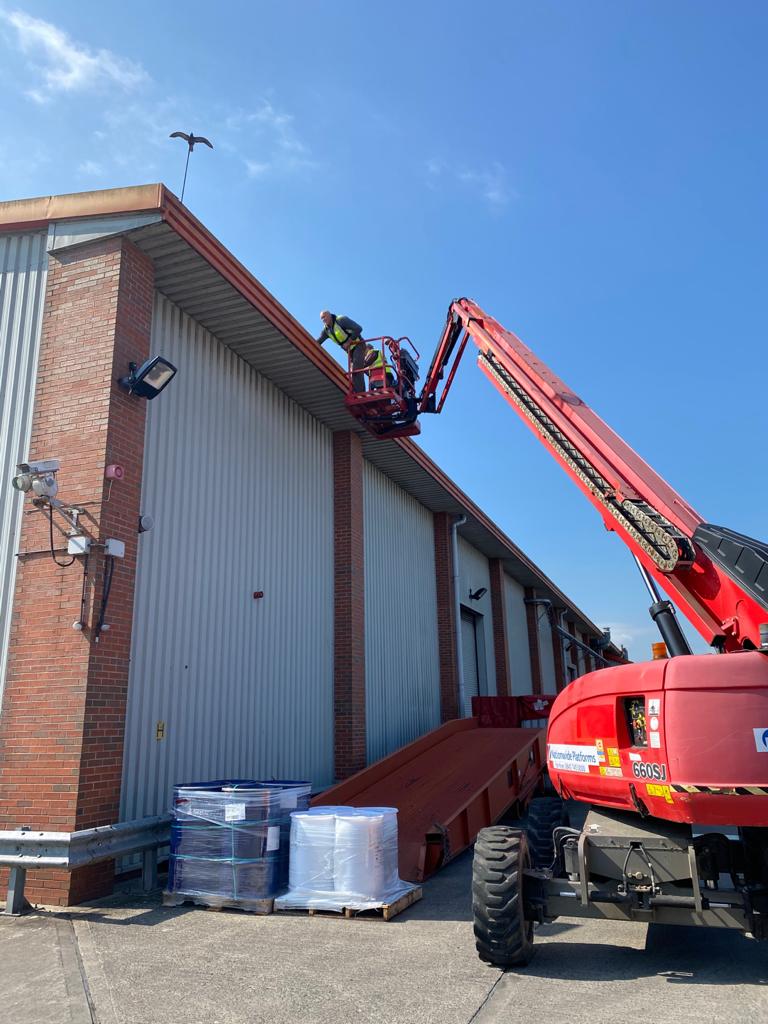
For commercial businesses, property is the foundation upon which operations are built. While there are plenty of aspects to manage, your property, specifically the roof, is one part that needs to be cared for.
Should you suddenly experience a leak or structural damage, it could put your business operations at risk, leading to lengthy downtime and even posing safety hazards to employees and visitors.
A lot of the time, business owners wait till there’s a problem before opting for a commercial roof inspection. However, staying ahead with regular inspections can help identify potential issues before it’s too late.
What Makes Commercial Roof Inspections so Essential?
Regular inspections aren’t just about catching leaks early − although that’s a big part of it. There are plenty of other issues that could impact your business and its operations if not properly resolved.
During inspections, we often find issues that wouldn’t be visible from ground level or would go unnoticed until they’d already caused damage inside the building, which is really the core case for inspecting on a schedule rather than waiting for a problem to announce itself.
Scheduling proper inspections can:
- Detect roofing issues early – Small issues like cracked flashing or a failing membrane can be far cheaper to fix than the water damage they could cause eventually if left. Even wear and tear should be inspected further.
- Meet insurance and warranty requirements – Many commercial insurance policies and manufacturer warranties expect evidence of regular maintenance. A gap in inspection records may complicate a claim if something does go wrong.
- Safeguard your day-to-day operations – Whether it’s a leak affecting stock, equipment, or a tenant’s space, it can mean far more than just a repair bill. That’s downtime and money you can’t easily get back.
- Protect rooftop equipment – Lots of industrial roofs often carry plant, HVAC units or commercial solar PV systems that need to be factored into any inspection, not just the roof itself.
- Extend your roof’s lifespan – Through early detection, any small repairs can be fixed in a timely manner, potentially extending the lifespan of a commercial roof and delaying the need for a costly replacement.
Been a while since your last inspection? Now could be the perfect opportunity for the team at Roof Care 365 to take a look. Any early signs of damage or wear can be rectified quickly by our fully qualified staff. Learn more about our roof care plans.
How Often Should Commercial Roofs Be Inspected?
Ideally, commercial roofs should be inspected at least once a year. That’s very much a starting point rather than a fixed answer.
A few things could mean you may need more frequent checks. In particular:
- Older roofs, or those already showing signs of wear
- Flat roof systems, which tend to need closer monitoring than pitched roofs
- Roofs that carry rooftop plant, air-con/heating units or solar panels
- Buildings with high footfall or heavy usage, such as retail units, schools or warehouses
It’s also good practice to arrange an inspection after severe weather, particularly following high winds, prolonged heavy rainfall or snowfall.
Even if the roof appears undamaged from the ground, storms can loosen flashings, lift roofing membranes or block drainage systems without creating an immediate leak.
Rather than treating inspections as a one-off task to tick off, your commercial property can benefit from having them built into a wider maintenance schedule. This makes it much easier for us to monitor the condition of the roof over time and deal with smaller issues before they develop into costly repairs.
What Does a Commercial Roof Inspection Involve?
Though every roof is different, we carry out inspections to assess the overall condition of the roof rather than just look for obvious leaks.
For customers on our Commercial Roof Care 365 plan, inspections form part of a rolling annual maintenance programme, making it easier to monitor the condition of the roof year after year rather than waiting for problems to appear.
Typical roof inspections include:
- A visual assessment – Checking for cracks, damaged membranes, loose materials, blistering, punctures or signs of deterioration.
- Drainage checks – Inspecting gutters, downpipes, box guttering and outlets to make sure rainwater can drain away effectively without creating standing water.
- Flashing and waterproof detailing – Examining flashings around rooflights, vents, parapet walls and service penetrations, which are often some of the first areas where leaks develop.
- Rooftop plant and equipment – Checking around HVAC units, solar panels, pipework and other equipment for signs of damage caused by maintenance access or vibration.
- Signs of previous repairs – Identifying temporary repairs or ageing patchwork that may need a more permanent solution.
During inspections, we also assess whether any issues require immediate attention or can be incorporated into a planned maintenance programme. This is intended to help you plan and budget for future repairs.
If we identify an issue that requires urgent attention, we’re contactable 365 days a year. The plan includes one temporary emergency roof repair each year where required.
Where specialist work is needed, such as permanent roof repairs or properties with asbestos roofing, we’ll advise on the most appropriate next steps.
How Drone Surveys Can Help
For larger or harder-to-access commercial roofs, a drone survey can be a faster and safer way to assess the whole roof, without the time and cost of scaffolding or roof access equipment.

High-resolution drone imagery also allows us to compare the condition of the roof over time. Having a photographic record from previous inspections makes it much easier to identify gradual deterioration, monitor repaired areas and prioritise future maintenance.
Do Commercial Roofs Need Asbestos Inspections?
It depends on the age and construction of the building. Materials containing asbestos were commonly used for roofing up until the late 1990s. Buildings constructed or roofed before then may need a specific asbestos survey as part of, or alongside, a general roof inspection.
Asbestos cement sheets, in particular, were often used on warehouses, agricultural buildings, factories and industrial units. Therefore, age alone isn’t always enough to determine whether asbestos may be present.
It’s not something a standard visual inspection can confirm on its own. It will require the work of a qualified roofing surveyor, and there may be specific legal obligations around managing asbestos in a building depending on its use and ownership.
If you’re unsure whether this applies to your property, it’s worth raising as part of booking an inspection rather than assuming either way.
How Much Does a Commercial Roof Inspection Cost?
As with roof cleaning, there’s no single figure that applies across the board. What you pay tends to depend on:
- The size of the roof
- How accessible it is (and whether a drone survey or scaffolding is needed)
- Whether an asbestos survey is required alongside the general inspection
- How detailed the report needs to be
While the cost is naturally a key consideration, delaying an inspection often proves more expensive in the long run.
Rather than budgeting for a one-off inspection each time a concern comes up, our commercial plan includes an annual inspection as standard, alongside cleaning, gutter clearing and emergency call-out cover.
Each is factored into your maintenance costs rather than being an unplanned expense.
What’s Included in a Roof Inspection Report?
Once an inspection is carried out, you’ll receive a report covering:
- A summary of the roof’s overall condition
- Photos or drone imagery documenting any problem areas
- Any issues found, ranked by priority or urgency
- Recommendations for repairs or further maintenance
Depending on the inspection, reports may also include photographs showing areas of concern, drone imagery, maintenance recommendations and suggested timescales for any work required.
A report makes it easier to prioritise repairs and budget for future maintenance rather than reacting to unexpected failures.
Why Choose a Professional Inspection Over a Visual Check Yourself
It’s tempting to assume a quick look from ground level, or a walk across the roof, is enough to catch anything serious.
During inspections, we regularly identify issues such as blocked drainage outlets, deteriorating sealants, loose flashings and minor membrane damage that would be difficult to spot without safely accessing the roof.
There’s also the safety side of working at height on a commercial roof, which isn’t something to take on without the right training and equipment.
A professional inspection also gives you photographic or drone-recorded evidence, which matters if you ever need to show an insurer or landlord that the roof has been properly maintained.
Commercial Businesses in Somerset & The South West – Book a Roof Inspection Today
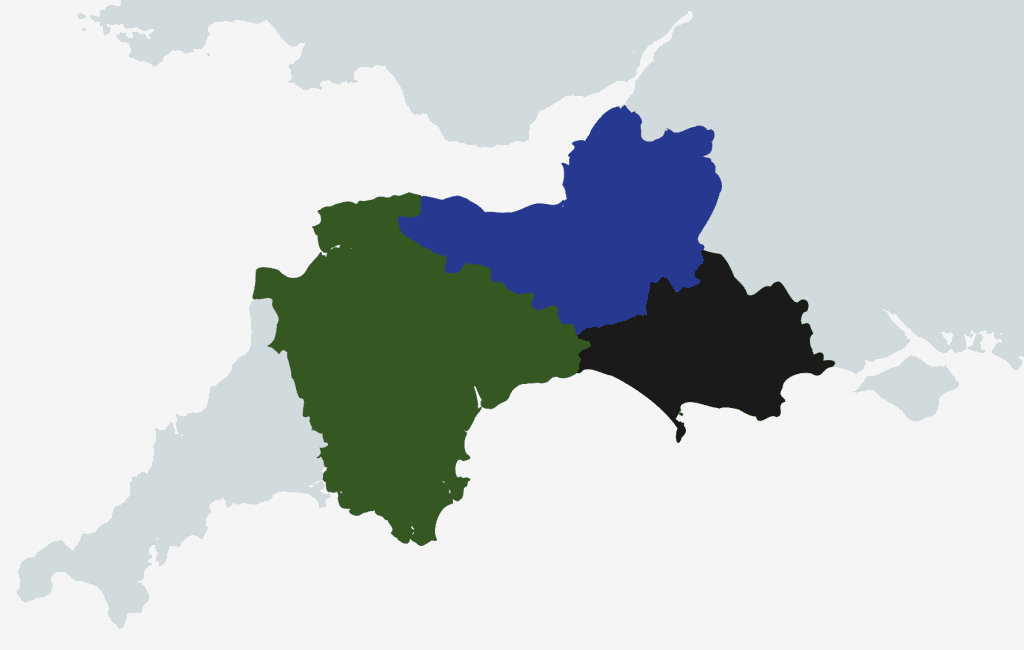
As a professional commercial roof contractor, inspect and survey all types of roofing systems, including flat roofs, single-ply membranes, GRP fibreglass roofing, felt roofing and metal roofing. We carry out work across Somerset, Devon, Dorset and the wider South West.
Whether you manage a warehouse, office block, school, retail premises or industrial facility, our experienced team can assess your roof, identify any areas of concern and recommend the most appropriate course of action.
Contact us today to book an inspection, or find out more about our dedicated commercial roofing plans.