What Counts as a Roofing Emergency?
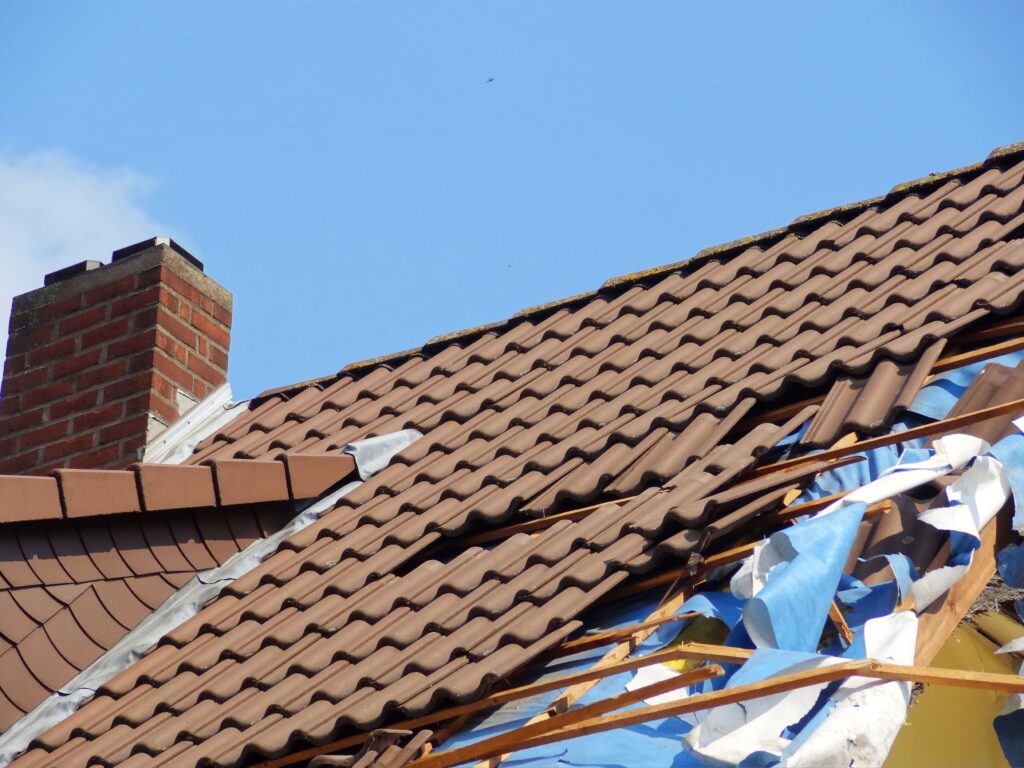
Roofing problems are never convenient. They can happen unexpectedly and leave your home or business vulnerable to water damage and structural issues if they’re not addressed quickly.
Leaks are often the first thing people think of when it comes to roofing emergencies, but they’re far from the only problem that may require urgent attention. Not every roofing issue requires an emergency call-out. Some problems can safely wait for a scheduled repair, while others need immediate action to prevent further damage and costly repairs.
So, how do you know when a roofing problem is an emergency? In this guide, we’ll explain what counts as a roofing emergency, the warning signs to look out for and when it’s time to call a professional roofer.
What Is Considered a Roofing Emergency?
A roofing emergency is usually defined as any issue that either exposes your property to the elements, creates a safety risk or is likely to cause significant damage if left untreated.
While every situation is different, emergency roof repairs are most often needed where:
- Water is actively entering the property
- Roofing materials have become loose or detached
- Storm damage has exposed part of the roof
- There is a risk of structural damage
- The issue poses a danger to occupants or members of the public
If delaying repairs is likely to result in further damage or increased repair costs, it’s generally best to seek professional advice as soon as possible.
At Roof Care 365, we are available for emergency roof call-outs 7 days a week, 365 days a year.
Roof leaks
Is a roof leak an emergency? It depends on the severity of the leak.
A small water stain on a ceiling may not always require an emergency call-out, particularly if the leak is no longer active. However, if water actively enters when it rains, then it should be treated as an emergency.
A roof leak is often considered an emergency when:
- Water is dripping into the property
- Electrical fittings are affected
- Ceilings are bulging or sagging
- Large amounts of water are entering the building
- The leak is rapidly worsening
One thing many people don’t realise is that the location of the leak inside the property isn’t always where the damage is on the roof. Water can actually travel along rafters, insulation and other parts of the structure before appearing indoors.
If you notice any kind of leak in your home, it’s important to arrange an inspection as soon as possible. Don’t assume that a small leak will remain small; even a seemingly minor roof leak can lead to significant issues down the line.
Storm damage
Severe weather is one of the most common causes of emergency repairs across Somerset and the South West. As we all know, the UK weather is notorious for being unpredictable.
Strong winds and heavy rainfall can loosen roofing materials or expose weaknesses that may have gone unnoticed previously.
Storm-related roofing emergencies often include:
- Missing or slipped tiles
- Lifted flashing
- Damage to guttering
- Flat roof membrane damage
- Leaks caused by wind-driven rain
Even if damage appears minor from the ground, it’s worth having your roof checked following severe weather. Small problems can quickly become much larger if further bad weather arrives before repairs are completed.
Fallen trees and debris
Airborne debris, like fallen branches or trees, can occur suddenly or as a result of bad weather. In either case, they can cause significant damage to a roof.
Often, the damage can be obvious. However, other issues like cracked tiles, damaged flashing or weakened roof structures may not be immediately visible. If neglected, these problems can have severe consequences, such as structural instability or even a complete roof collapse.
You should seek emergency roofing services if:
- A tree has fallen onto the roof
- Roofing materials have been punctured
- Structural damage is suspected
- Debris has created a safety hazard
Safety should always be the priority. If there is any concern about structural stability, avoid entering affected areas until the roof has been assessed.
Missing tiles or slates
A single slipped tile may not always require an emergency call-out, but it should still be repaired before the exposed area leads to further damage.
If multiple tiles or slates have become detached, large areas of the roof can become exposed to the elements. It can also cause internal damp issues or lead to further tiles becoming dislodged.
The longer exposed areas remain unprotected, the greater the risk of additional damage occurring.
Flat roof failures
Flat roofs can also develop emergency issues, particularly following heavy rainfall or prolonged periods of poor weather. Although modern flat roofing systems are extremely durable, damage can still occur over time.
Some flat roof emergencies can include sudden leaks, damaged flashing or splits in roofing membranes. They may also suffer from lifted edges or significant ponding water, which need to be repaired.
GRP fibreglass roofing, felt roofing, and single-ply systems can all usually be repaired if problems are identified early enough. However, widespread wear may require more extensive work.
Commercial roofing emergencies
Roofing emergencies don’t just affect homes. Commercial and industrial buildings can also suffer sudden roof failures that require urgent attention. At Roof Care 365, we work with companies across the South West to provide commercial roofing solutions.
Commercial roofing emergencies often involve:
- Warehouse roof leaks
- Damaged box guttering
- Flat roof failures
- Storm damage
- Industrial roofing defects
The longer your commercial property remains vulnerable, the more it can impact your business operations and could cost your company money. Even a relatively small leak can quickly become a major issue if it affects:
- Stock and equipment
- Electrical systems
- Staff safety
- Daily operations
If you notice issues, take action quickly to help minimise disruption and prevent further damage to the building.
What to do during a roofing emergency
If you’re dealing with a sudden roofing issue, staying safe is the main priority. Don’t take any risks and focus on protecting yourself, your loved ones and your property.
Avoid going onto the roof
Climbing onto the roof during bad weather or when the structure is unstable is extremely dangerous. Leave all inspections and repairs to trained roofing professionals.
After storms, we occasionally attend properties where homeowners have attempted temporary repairs themselves, which can cause more problems. In most cases, it’s safer to remain at ground level and contact a professional roofer.
Protect your belongings
If water is entering the building, make sure to move any furniture, electronics and valuables away from the affected area to prevent further damage. If this isn’t possible, cover them with waterproof sheeting or move them to a dry part of the property until the leak has been assessed.
Contain any leaks
Use buckets, containers or towels to catch or absorb water. This won’t fix the problem, but it can help limit damage until a roofer arrives.
If the ceiling is bulging with water, avoid attempting to puncture it yourself. A ceiling that has become saturated can weaken unexpectedly and may require professional assessment.
Be aware of electrical hazards
If water is coming into contact with light fittings, sockets or electrical systems, switch off the power to that part of the property − but only if it is safe to do so.
Water and electricity can be a dangerous combination, particularly when leaks are occurring around ceiling lights or electrical installations.
Take photos of the damage
If it is safe to do so, take photographs of any visible damage both inside and outside the property. This is useful for home insurance claims and can also help roofing contractors understand the extent of the problem before arriving on site.
Contact a professional roofer
The sooner a qualified domestic roofer assesses the situation, the easier it is to prevent further damage and keep repair costs under control. Even if water ingress appears to be minor, the source of the problem can often be much larger than it first appears.
Contacting an emergency roofing contractor, like Roof Care 365, is usually the best way to minimise damage and avoid more costly repairs later on.
Why acting quickly matters
One of the biggest mistakes we see is property owners waiting to see whether the problem gets worse before calling a roofer. Unfortunately, roofing issues rarely sort themselves out. In fact, delaying emergency roof repairs almost always leads to further complications.
The lifespan of a commercial roof in particular, can be impacted by minor factors which over time can lead to costly downtime.
What starts as a small defect can quickly escalate into internal water damage, damp and mould growth, ruined insulation, rotting roof timbers and even structural weakening.
All of this ultimately results in far higher repair costs. In many cases, the damage caused by putting off repairs ends up costing more than the original roofing problem itself. Even if the issue appears minor, a roof survey can help identify hidden problems before they develop into something far more serious.
If you’re dealing with one of these problems now, find out more about our emergency roof repair services.
Emergency roofing services 365 days a year
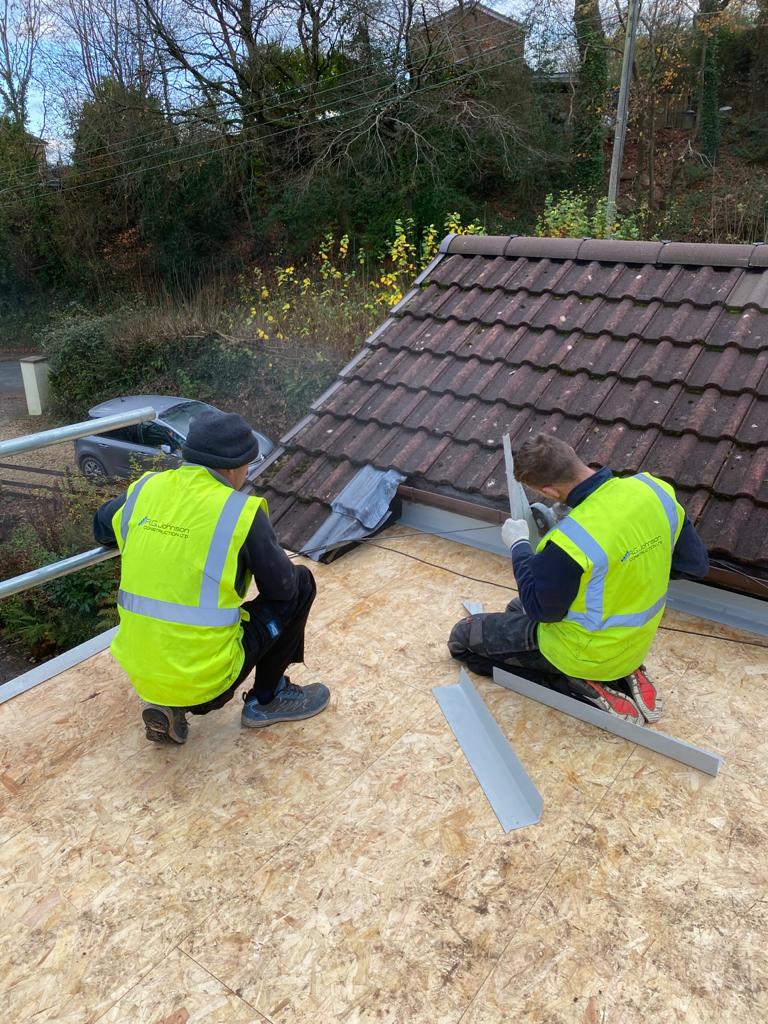
At Roof Care 365, we provide rapid response roofing services for domestic and commercial properties across Somerset and the South West.
Our experienced team responds to a wide range of roofing emergencies, including:
- Emergency roof leaks
- Storm damage repairs
- Flat roof repairs
- Commercial roofing emergencies
- Emergency roof inspections
We cover areas including Taunton, Bridgwater, Yeovil, Weston-super-Mare, Bristol, Bath, Exeter, Poole and the surrounding areas.
Whether you’ve discovered a serious leak, suffered storm damage or need urgent roofing advice, we’re available 365 days a year to help make your property safe and prevent further damage.