How Long Does a Commercial Roof Last?
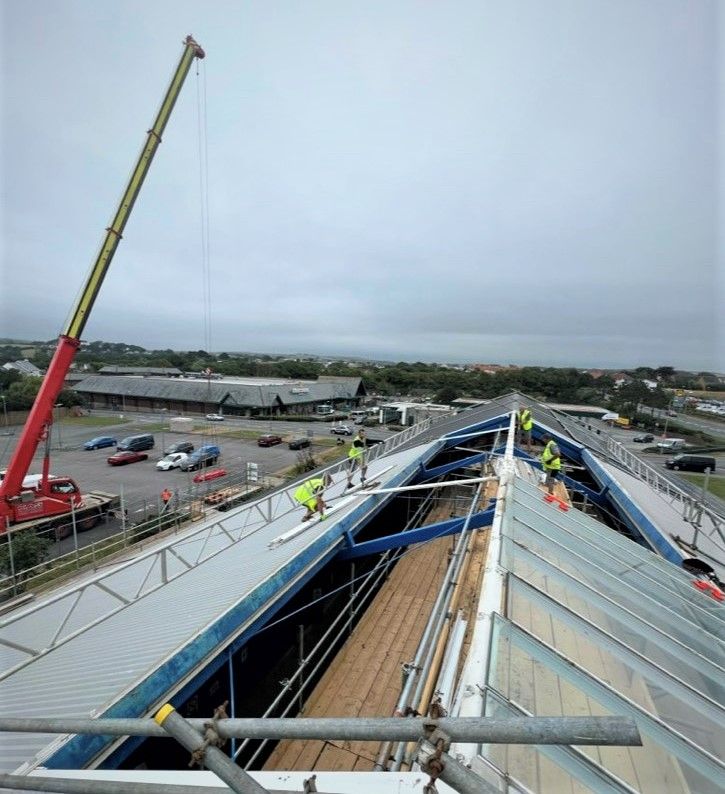
A roof can be a major investment for commercial business owners in terms of structure. While they are expected to last for decades, the reality is that no roofing system lasts forever.
Whether it’s exposure to the elements or the quality of the installation, there are plenty of factors that can influence the lifespan of your roof. A well‑installed roof could last anywhere from 20 to 30 years or longer. Poor materials or installation, however, can lead to premature problems much earlier in the roof’s lifespan.
You may not even be aware of any damage, but left untreated, it can cause havoc to your day-to-day business operations. Because of this, it’s important to understand the signs of wear and tear, as well as the expected lifespan of various types of commercial roofing materials.
What affects a commercial roof’s life expectancy?
Damage to a commercial roof can happen for a variety of reasons. In some cases, it may be caused by one specific issue, while in others, it’s often a combination of factors that gradually affect the roof over time.
Installation quality
Even if your roof uses high-quality materials, it can still fail prematurely if it isn’t installed correctly. EPDM, single-ply, GRP and built-up felt are some of the most common commercial roofing systems used across the UK, but all rely heavily on proper installation.
Commercial roofs have lots of areas that require specialist detailing, including vents, pipes, skylights, cable trays, plant supports and parapet walls. These areas need to be properly sealed and waterproofed. If corners are cut during installation, water can often find its way into the roof long before the main roofing surface begins to show signs of wear.
Another cause of premature roofing problems is poor substrate preparation. Before a new roofing system is installed, the deck needs to be clean, dry and structurally sound. If moisture is trapped underneath or surfaces are uneven, it can affect how well membranes and adhesives bond to the roof.
In our experience, some of the most common issues found during inspections are linked to poor workmanship rather than the roofing material itself. Make sure you choose a qualified roofing contractor with a good track record for reassurance as well as top results.
Drainage
One of the most common issues we encounter during commercial roof inspections is poor drainage. Water that sits on a roof for long periods can gradually weaken waterproofing systems and shorten their lifespan.
Commercial flat roofing systems are designed with a slight fall to direct water towards outlets, gutters and drainage points. When these become blocked by leaves, moss or debris, water can begin to collect on the roof surface.
Standing water places additional strain on the roofing system and increases the risk of leaks. Over time, it can also contribute to the formation of low spots where water naturally collects.
This is where having regular inspections and maintenance of your box guttering, among other aspects, is crucial.
Maintenance
Like any asset, a roof benefits from regular maintenance.
When identified early, small issues such as a lifted seam, damaged flashing or minor puncture can often be repaired quickly and relatively inexpensively. However, when left unnoticed, these problems can allow water to spread beneath the system and cause more extensive damage.
Regular roof maintenance can help to:
- Identify issues before they become major repairs
- Keep outlets and gutters clear
- Check flashings and seals
- Monitor roof-mounted equipment
- Maintain manufacturer warranties
We often find that well-maintained roofs significantly outlast those that receive little or no attention. In many cases, routine inspections, like drone roof surveys, can help extend the lifespan of a commercial roof by several years and help avoid unexpected repair costs.
Weather conditions
A roof’s surface is constantly exposed to the elements throughout the year. From heavy rainfall and strong winds to prolonged UV exposure, every season brings another level of stress on the system.
Although modern commercial flat roof systems are designed to withstand these conditions, long-term exposure will naturally cause wear.
Sunlight in particular can gradually break down roofing materials over time, causing them to become less flexible and more susceptible to cracking. At the same time, temperature fluctuations cause roofs to expand in warm weather and contract during colder periods. Over the years, these movements place strain on the structure’s seams, joints and fixings, which can lead to a sudden roofing emergency.
Other elements like heavy rainfall can regularly test your drainage systems. While strong winds can lift roofing materials and fixings to expose vulnerable areas.
Foot traffic
Many commercial roofs provide access to equipment such as HVAC units, ventilation systems, solar panels or plant rooms. As a result, engineers, maintenance teams and contractors may regularly walk across the roof to carry out inspections or repairs.
Over time, this repeated foot traffic can wear down protective surfaces, damage seams and flashings, and even create punctures in roofing membranes. In some cases, insulation beneath the roof surface can become compressed to create low spots where water begins to collect.
If your roof supports regular maintenance access, solar panels or plant equipment, monitoring these high-traffic areas should form part of any ongoing commercial roof maintenance plan.
Typical lifespans of commercial roofing systems
The type of roof system used plays a big role in how long a commercial roof lasts, as well as the other factors we’ve mentioned. Different systems naturally have varying lifespans compared to others:
| Roof Type | Typical Lifespan |
|---|---|
| Felt Roofs | 15–25 Years |
| Single Ply Roofs | 25-40 Years |
| GRP Roofs | 20-40 Years |
| Metal Roofs | 30-50+ Years |
| EPDM and TPO Systems | 30-50 Years |
These figures should only be used as a guide. We’ve inspected older commercial roofs that were still performing well after decades of service, while others have required significant repairs much earlier due to poor installation or lack of maintenance.
In most cases, the condition of the roof is the defining factor rather than age alone.
How long does a felt roof last?
Felt roofing remains one of the most commonly used systems for commercial building systems across the country. Modern felt systems are much more advanced than older versions, with reliable waterproof protection when installed correctly.
Most commercial felt roofs can last between 15 and 25 years. This, however, will vary depending on other factors like design and maintenance.
Installed in multiple layers, modern torch-on felt systems help to create a durable, waterproof barrier that is far more robust than traditional felt roofs. That said, these roofs can become more susceptible to wear as they age.
The most common signs of wear and tear include:
- Cracking or splitting
- Blistering
- Lifting joints
- Persistent leaks
- Ponding water
In many cases, isolated damage can be repaired. However, if problems become widespread or repairs are becoming more frequent, a full roof replacement may be a more cost-effective solution in the long term.
Signs your commercial roof is near the end of its lifespan
Commercial roofs don’t just fail overnight. More often than not, the warning signs are there as the system starts to degrade.
Some of the most common signs include:
- Frequent leaks
- Standing water after rainfall
- Cracked or damaged membranes
- Deteriorating flashing
- Sagging roof areas
- Water staining inside the building
- Increasing repair costs
- Visible signs of ageing
If you’re finding that repairs are becoming more regular, it may be worth considering whether replacement would offer better long-term value.
One of the biggest mistakes we see is businesses continuing to patch recurring problems without addressing the underlying condition of the roof. While repairs are often the right solution, there comes a point where replacement becomes the more practical and cost-effective option.
The only reliable way to assess the condition of a commercial roof is through a professional inspection. Roof Care 365 includes a team of qualified roofing engineers who can identify the root of the problem.
Does my commercial roof need repairing or replacing?
One of the most common questions property owners ask is whether a roof can be repaired or if replacement is necessary. It often depends on the extent of the damage and the overall condition of the roofing system.
Repairs may be suitable if the damage is localised or the roof is relatively modern and the leaks are isolated to one area. Repairs in particular can safely extend the lifespan of a roof for several more years, but it’s not always a long-term solution.
Replacing the roof may be more suitable in cases where the roof is nearing the end of its lifespan, leaks are becoming a frequent problem, and repairs are no longer holding.
While a commercial roof replacement involves a larger initial investment, it can often reduce ongoing maintenance costs and provide greater long-term reliability.
We’ve inspected roofs that owners assumed needed replacing, only to find repairs were sufficient. Equally, we’ve seen roofs that appeared serviceable from the ground but had significant hidden deterioration beneath the surface.
For an in-depth comparison, see our guide on roof repair vs replacement.
Commercial roofing services across Somerset & the South West
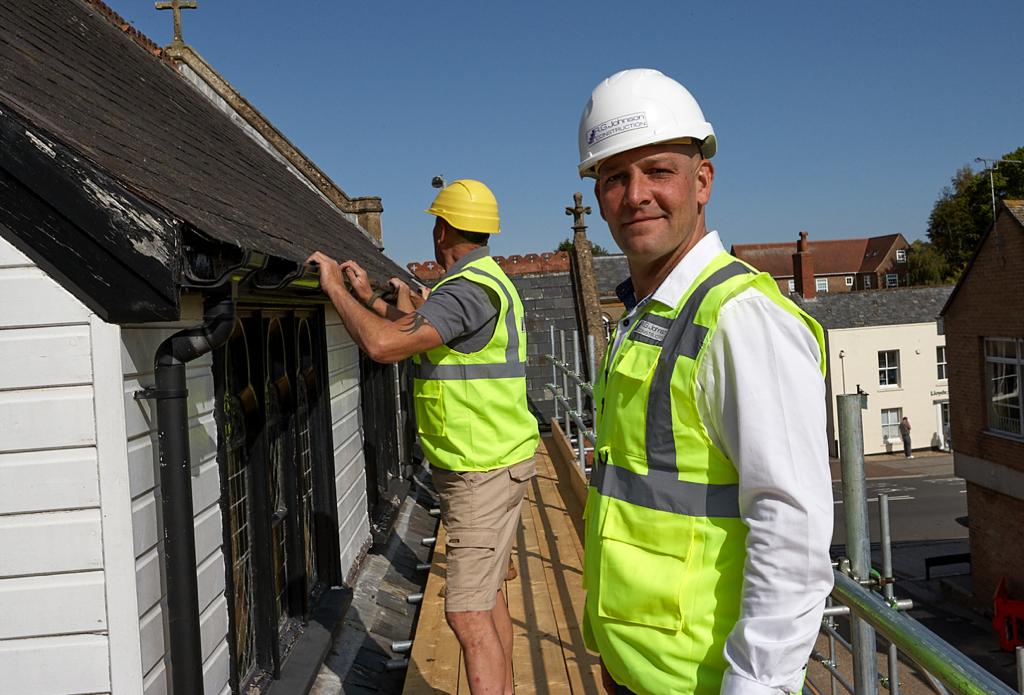
At Roof Care 365, we provide commercial roofing services for businesses across Somerset, Devon and Dorset. We cover a wide range of locations for roofing, including Bristol, Bath, Exeter, Taunton, Yeovil, and Dorchester.
Our experienced team carries out services including:
- Commercial roof inspections
- GRP fibreglass roofing
- Roofing repairs and maintenance
- Roof replacement projects
- Box guttering installation and repair
- Industrial drone roof surveys
We’ve worked with a wide range of commercial and industrial properties, including warehouses, schools, offices, factories, retail units and public buildings.
Whether your roof requires ongoing maintenance, targeted repairs or a complete replacement, we can assess its condition and recommend the most suitable solution.
Call us today on 01460 391018, or email [email protected] to tell us about your project.