
Flat Roofing Systems Explained: GRP, Single Ply & Felt
The modern installation methods provide structures with long-lasting protection. Many of these systems now offer lifespans of 20 years or more when installed correctly.
They can be adapted to fit the requirements of a building, whether it’s a domestic or commercial property.
The three most common flat roofing systems used across the UK are:
- GRP fibreglass roofing
- Single ply roofing
- Felt roofing
Each is designed to suit different types of buildings, budgets and performance requirements. They can often work with solar panels, especially on new builds and commercial units, as long as the roof is in good condition and properly installed.
GRP roofing
What is GRP roofing?
GRP fibreglass roofs have become one of the most popular options for modern flat roofs, especially on extensions and garages.
It combines a strong fibreglass matting with a specialist resin to create a seamless waterproof surface. It’s durable, lightweight and flexible, and can be moulded to almost any roof shape.
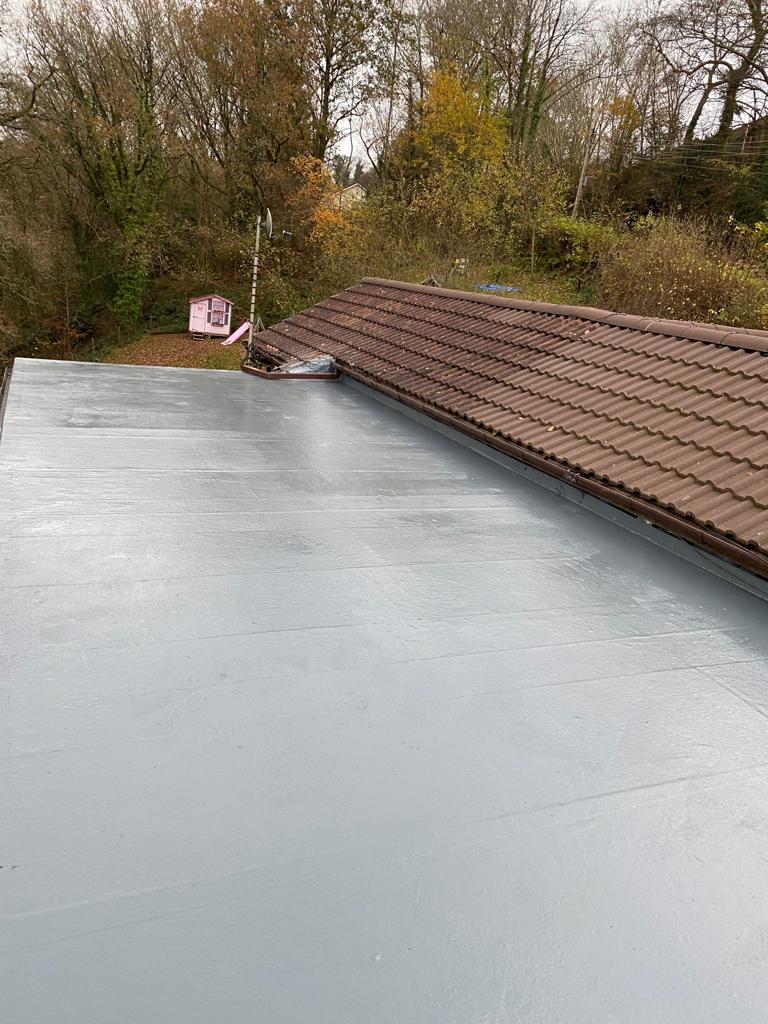
Unlike some traditional roofing systems, GRP roofing forms one continuous layer across the roof. Because there are no joints or overlaps, there’s very little opportunity there’s very little opportunity for water to get in.
GRP fibreglass roofing is a popular option across both domestic and commercial projects, and is one of the systems we regularly install at Roof Care 365.
Why people choose GRP roofing
The main benefits include:
- Long lifespan of around 20–40 years
- Strong and durable surface
- Low maintenance requirements
- Modern appearance
- UV and weather resistant
- Suitable for complex roof shapes and detailing
Disadvantages of GRP roofing
- Higher upfront cost compared to felt
- Installation can take longer in poor weather
- Poor workmanship can lead to cracking or defects
- Less suitable for very large commercial roofs
Popular uses for GRP roofing
- House extensions
- Small commercial properties
- Garage roofs
- Balconies
- Dormers
- Garden rooms
- Walkways
Single ply roofing explained
What is single ply roofing?
Single-ply roofing is mostly used on larger commercial roofs because it’s lightweight, efficient, and quicker to install over larger areas. The system uses flexible single-ply membranes, typically made of PVC or similar materials, to form a waterproof protective layer.
Each layer overlaps the next, so water is always directed down the roof rather than through it. Modern torch-on systems are much stronger than older felt roofs because the layers bond together more effectively.
It’s become a popular option for commercial roof installations because it’s lightweight, efficient, and easy to install over large areas. It can either be mechanically fixed or fully adhered, depending on building requirements.
It is often installed on properties such as Schools, Offices, and more industrial buildings like warehouses.
Why people choose single ply roofing
- Fast installation process
- Suitable for large roof areas
- Long lifespan
- UV resistant
- Energy efficient
- Lightweight
Disadvantages of single ply roofing
- Can be punctured by heavy foot traffic
- Requires specialist installation
- Material quality can vary
- Usually more suitable for commercial rather than smaller domestic projects
Popular uses for single ply roofing
- Commercial buildings
- Warehouses
- Schools
- Retail units
- Industrial properties
- Large flat roof areas
- New build developments
Felt roofing
What is felt roofing?
One of the more traditional flat roofing systems, felt roofing is still widely used across the UK today.
Modern felt roof systems are much more advanced than older versions, designed to provide reliable waterproof protection at a more cost-effective price.
Most modern systems are installed using multiple layers of bitumen-based felt, often applied using a torch-on installation method. Whereas older designs are finished with a mineral top.
It’s still widely used because it offers a reliable and cost-effective option for both homes and commercial buildings. But while it’s relatively simple to repair, it has a shorter lifespan than the other types of flat roofs.
Why people choose felt roofing
- Lower upfront costs
- Reliable waterproofing
- Easy to repair
- Suitable for many property types
- Proven roofing system
- Good lifespan when properly maintained
Disadvantages of felt roofing
- Shorter lifespan than some alternatives
- More maintenance may be required over time
- Seams can weaken as the roof ages
- Less modern appearance
Popular uses for felt roofing
- Garages
- Sheds
- Extensions
- Smaller flat roofs
- Budget-conscious projects
- Outbuildings
Which flat roof system lasts the longest?
In the majority of cases, the lifespan of a flat roof depends on the materials used, as well as the quality of the installation and how well it’s maintained over time.
Here is a general comparison of the most common systems:
| Roofing System | Typical Lifespan | Best For | Main Advantage |
|---|---|---|---|
| GRP Roofing | 20-40 years | Domestic roofs | Seamless waterproof finish |
| Single Ply | 25-40 years | Commercial roofs | Lightweight and efficient |
| Felt Roofing | 15-25 years | Budget projects | Cost-effective |
Ultimately, the best flat roof system will depend on the type of property. For example, felt roofing isn’t suitable for new builds compared to GRP.
The success of any flat roof also comes down to drainage. Even though they look flat, they’re always built with a slight fall so rainwater naturally runs towards gutters or outlets. If that fall isn’t correct, even the best system will eventually struggle.
It also needs to cope with movement and temperature changes as it expands in heat and contracts in cold weather. The best systems are designed to flex slightly rather than crack or split under pressure.
Why professional flat roof installation matters
These systems rely heavily on proper installation for effective drainage, waterproofing and long-term performance. In fact, one of the main causes of leaks is often poor installation.
Without proper roofing knowledge and expertise, flat roofs can fail over time, even if the highest-quality materials are used.
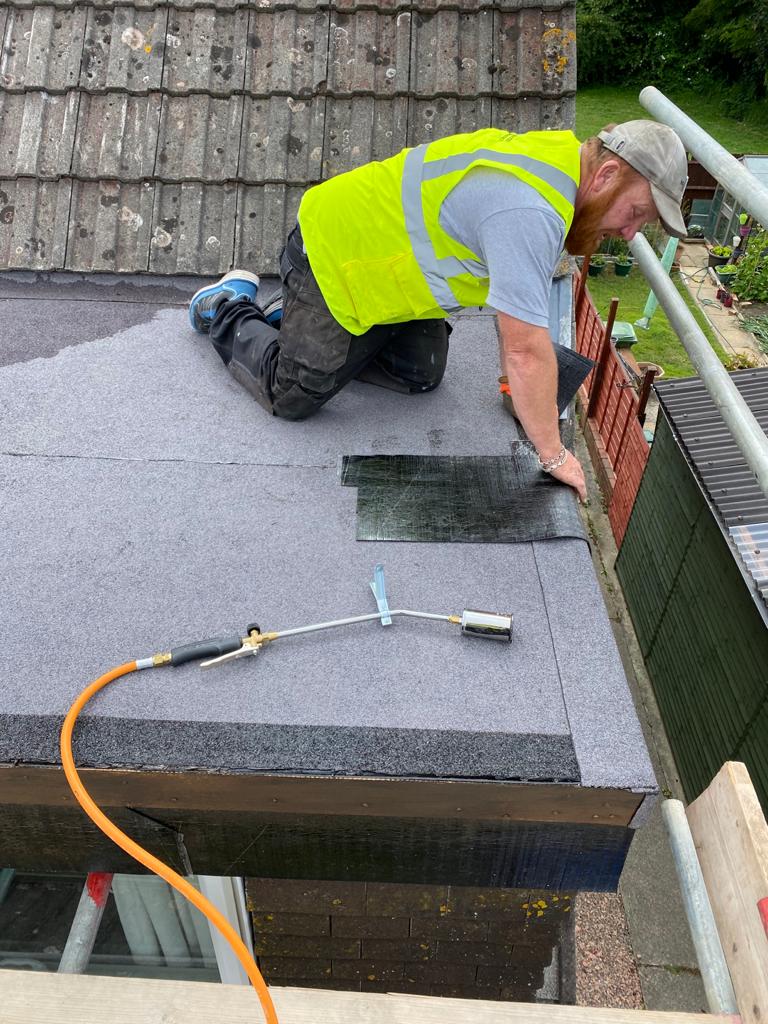
A professional installation will ensure:
- Correct roof falls for drainage
- Proper waterproof detailing
- Strong edge sealing
- Suitable ventilation
- High-quality workmanship
- Long-term reliability
Not only will our experienced roofing specialists make sure your roof is installed correctly, it will also help avoid costly repairs and improve the lifespan of the roof.
Flat roofing services for Somerset & the South West
Roof Care 365 provides professional flat roofing services across Somerset and the South West for both domestic and commercial properties.

Our team installs and repairs a wide range of flat roofing systems, including:
- GRP fibreglass roofing
- Single ply roofing
- Felt roofing
- Commercial flat roofing systems
- Flat roof repairs and replacements
We work across Somerset and surrounding areas including Taunton, Bridgwater, Yeovil, Weston-super-Mare, Exeter and beyond. If you’re not sure which flat roofing system is best suited to your building, we’re more than happy to provide advice.
We also provide a 24/7 emergency call-out service for roof repairs, so you know you’re in safe hands whenever an unexpected issue arises. Contact us today to let us know your project’s requirements.
Flat roofing FAQs
How long does a flat roof last?
The lifespan of a flat roof mainly depends on the material used as well as the quality of the installation. GRP roofing can often last 20–40 years, single ply systems can exceed 30 years, while felt roofing typically lasts around 15–25 years.
Is GRP roofing better than felt?
GRP roofing is more suitable for modern homes as it offers a longer lifespan and a more seamless waterproof finish compared to felt roofing.
What is the cheapest flat roofing option?
Felt roofing is usually one of the most affordable flat roofing systems available. However, it tends to have a shorter lifespan and more of a traditional type of flat roof.
Can flat roofs be repaired instead of replaced?
Yes, many flat roofs can be repaired depending on the extent of the damage. Minor leaks, cracks or damaged sections can often be repaired without needing a full replacement. We offer emergency repairs under our roof care plans.
How much does flat roofing installation cost?
The initial cost of installation will depend on several factors, including the roofing system chosen, roof size, access requirements and the condition of the existing roof. Please contact us for a quote.